2026 AI Reveal: How NVIDIA and Humanoid Robots Just Changed Everything
2026 AI Reveal: How NVIDIA and Humanoid Robots Just Changed Everything
Get ready: 2026 is the year AI leaves the screen and enters the physical world. From NVIDIA’s new chips to Malaysia’s RM50 billion bet, here is the future.
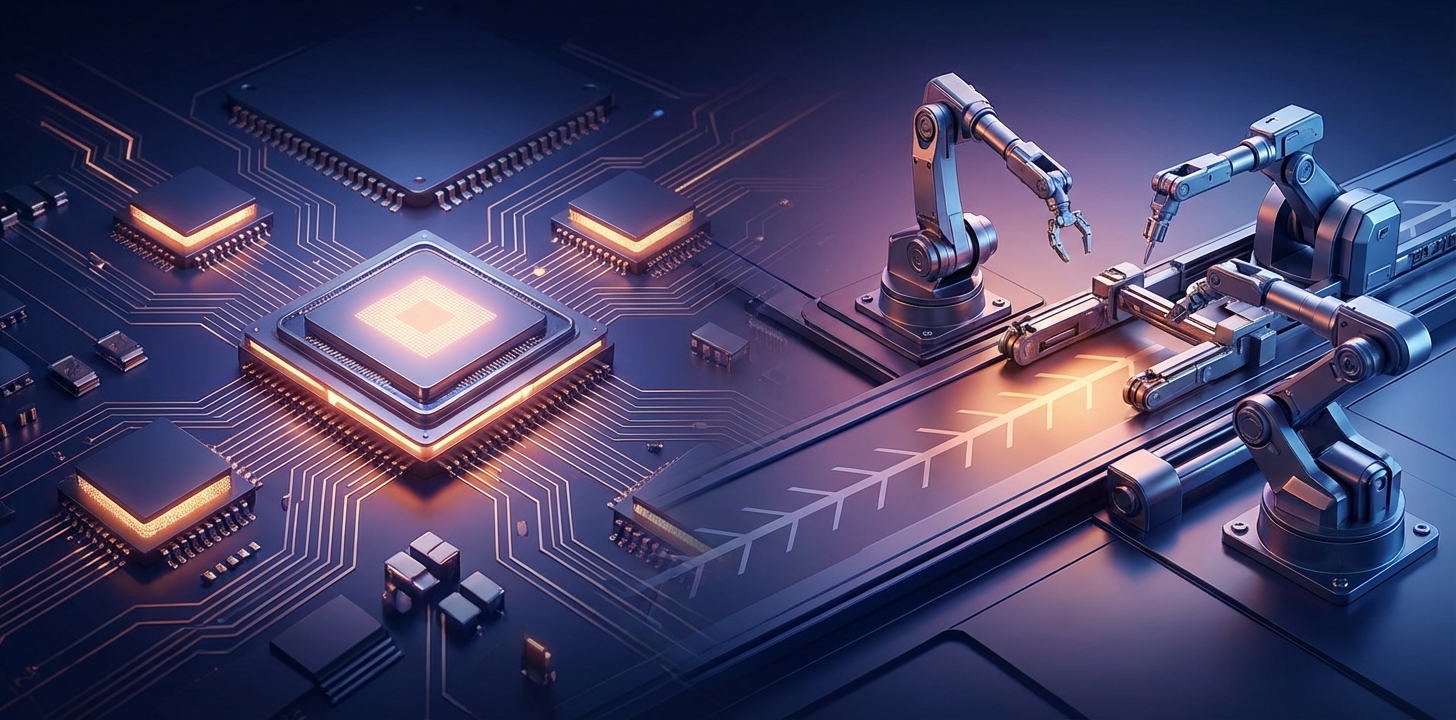
Imagine walking into your local warehouse and seeing a fleet of humanoid robots not just moving boxes, but organizing the entire floor based on real-time logistics data they "felt" through their sensors. They aren't just following a script; they are reasoning. This isn't a scene from a sci-fi movie—it is the reality of the 2026 AI landscape. 🤖
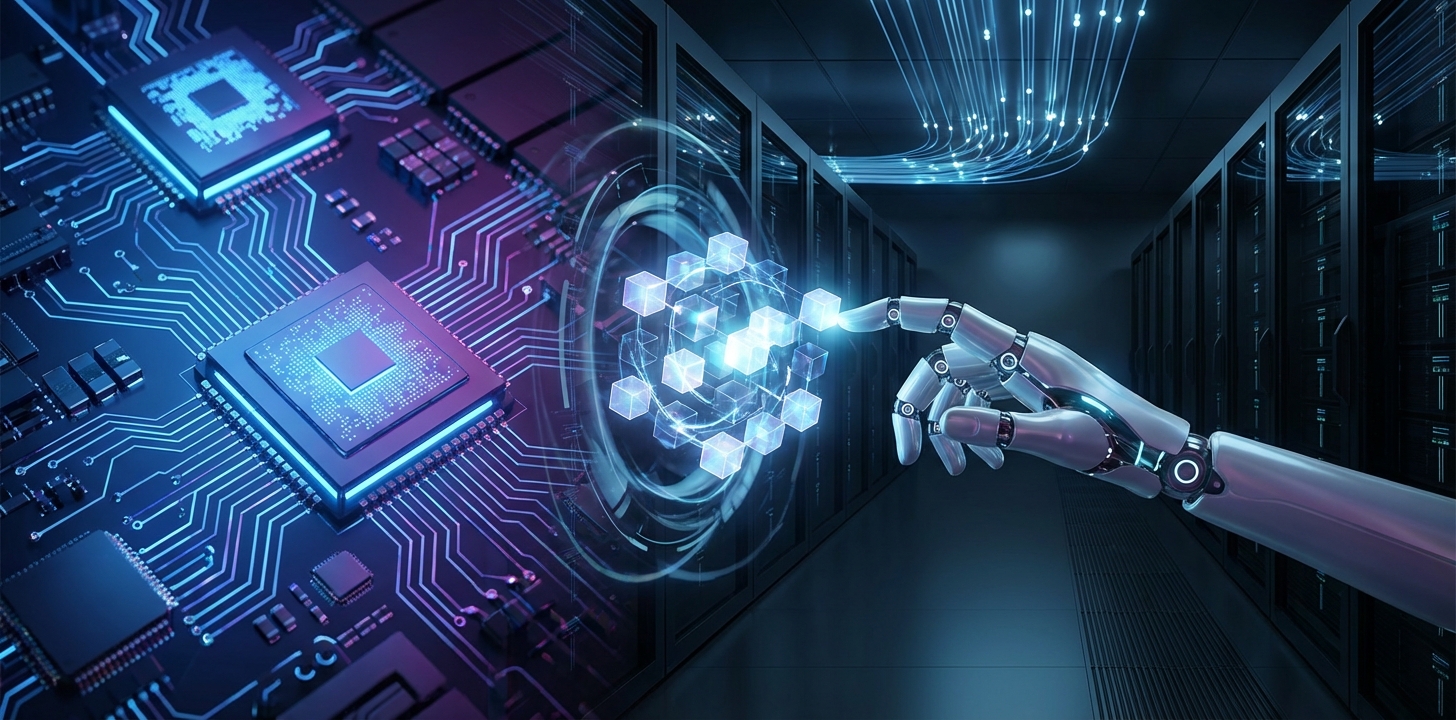
We have officially moved past the "chatbot era" where we were all impressed by AI writing poems. Now, we are entering the "embodied AI" era. This is where the digital brain of an LLM (Large Language Model) meets the physical body of a robot. It’s the moment the ghost finally gets into the machine, and the results are, quite frankly, mind-blowing.
Wait, what? Does this mean robots are taking over? Not exactly. But it does mean that the hardware running our world is getting a massive "brain transplant." From quantum computing breakthroughs to the next generation of NVIDIA silicon, the sheer horsepower available to us in 2026 is making the AI of 2023 look like a calculator.
Why This Matters
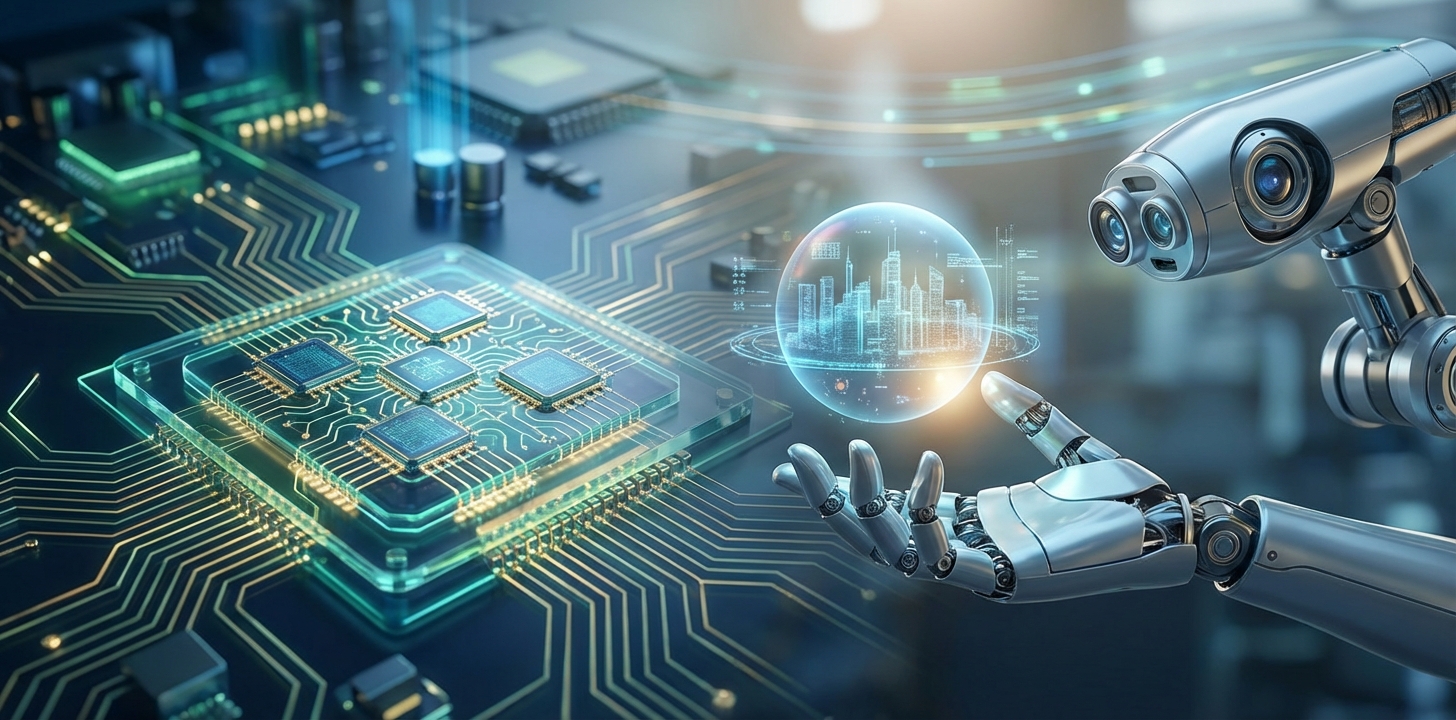
In plain English: AI is finally getting its "hands." For years, AI was stuck inside your computer or phone. It could talk to you, but it couldn't help you fold the laundry or assemble a car. By 2026, the convergence of high-end hardware and smarter algorithms means AI can now interact with the physical world.
This matters because it solves the biggest problem businesses have faced: the "labor gap." With aging populations and rising costs, companies are desperate for automation that doesn't require a million-dollar custom setup. If a robot can learn to use a standard wrench just by "watching" a video, the economy changes forever.
Furthermore, this hardware boom is the engine behind your favorite apps getting even faster and more private. We are moving away from "Cloud AI" (where your data goes to a giant server) to "Edge AI," where the smarts live directly on your device. This means more security, less lag, and AI that works even when you're offline. 🚀
The Big Story
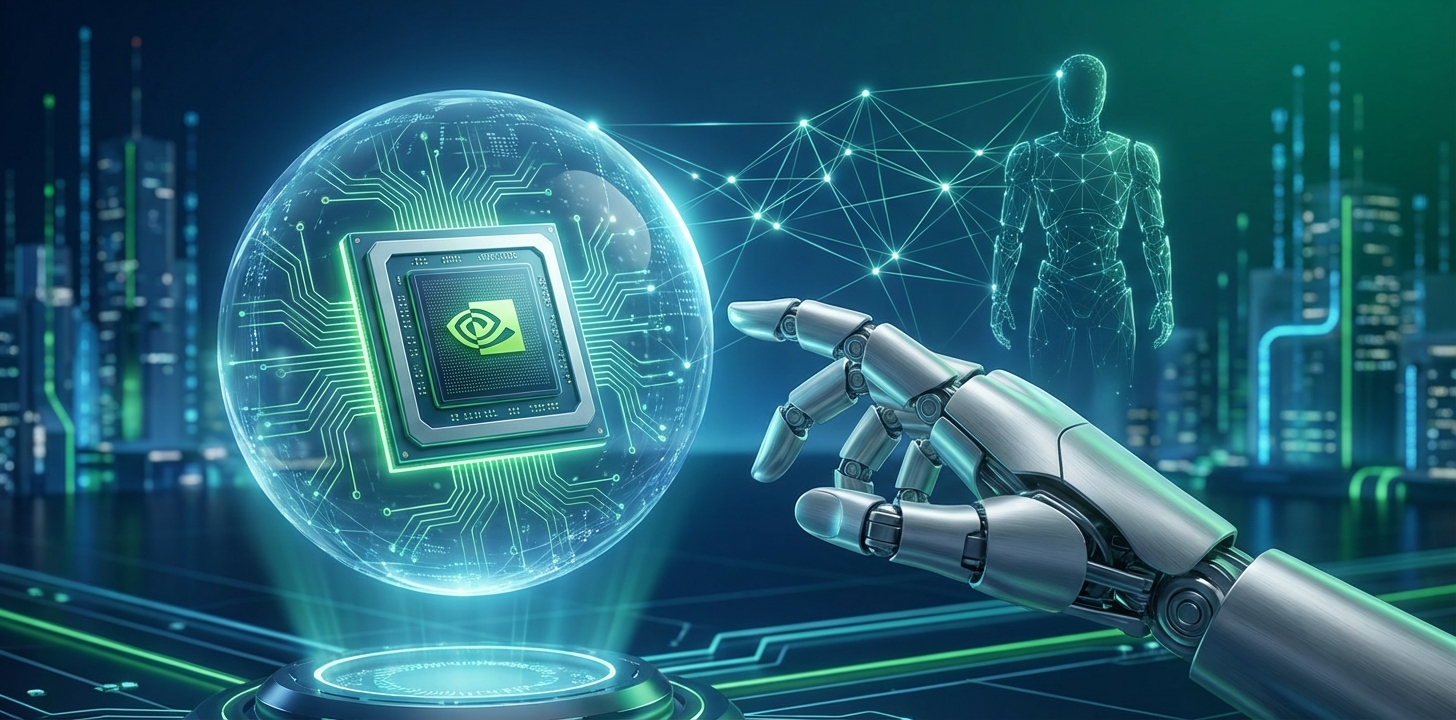
The headline story of 2026 is the "Business of Intelligent Transformation." At the 2026 Global AI Summit, the focus has shifted from what AI can do to how it is actually being deployed in the real world [10]. The star of the show? NVIDIA’s latest architecture, which has become the "gold standard" for training the world’s most advanced humanoid robots.
NVIDIA isn't just a chip company anymore; they are the architects of the "Physical AI" revolution. Their new chips are designed specifically to handle "multimodal" inputs—meaning the AI can process sight, sound, touch, and logic all at once. Think of it like giving a robot a central nervous system that reacts as fast as a human's. 🧠
However, there’s a twist. While the tech is ready, the money is getting picky. A new report reveals that while many firms in Southeast Asia have poured billions into AI, a significant majority are still struggling to see a direct financial return on that investment [7]. It turns out, buying the "fastest car" (the hardware) doesn't help if you don't know how to drive.
| Feature | 2024 AI (Generative) | 2026 AI (Embodied) |
|---|---|---|
| Primary Interface | Text & Images | Physical Movement & Action |
| Hardware Focus | Cloud Servers (H100s) | Edge Chips & Humanoid Frames |
| Key Skill | Writing/Coding | Spatial Reasoning/Manipulation |
| Main Challenge | Hallucinations | Battery Life & Safety |
| "We are moving from an era of information management to an era of action management," says one researcher at the AI+IM Global Summit 2026 [8]. The goal now is "AI for Good," ensuring these physical robots serve humanity by taking over dangerous or repetitive tasks [9]. | ||
| US Watch | ||
| The United States is currently in a legislative frenzy. As we hit 2026, the focus has shifted from "should we regulate AI" to "how do we keep the hardware secure?" The US is doubling down on existing federal laws to ensure that AI-driven robotics don't pose a physical safety risk to the public [17]. | ||
| State-level action is also peaking. More than 30 states have introduced legislation in the 2025-2026 sessions specifically targeting AI transparency [18]. If a robot is making a decision that affects your job or your safety, the law now demands that you know why it made that choice. | ||
| On the tech front, US-based companies are leading the charge in "Quantum-AI" integration. By using quantum processors to speed up the training of AI models, American researchers are attempting to cut down training times from months to mere hours. It’s a hardware arms race, and the stakes couldn't be higher. 🇺🇸 | ||
| China Watch | ||
| China is not just keeping up; in many ways, they are leading the "AI Glow-Up" of emerging markets. While the US focuses on high-end logic, China is dominating the mass production of the physical hardware—the sensors, the actuators, and the battery tech that power 2026’s robots [13]. | ||
| The Chinese "AI story" is well-known, but their new focus is on exporting this tech to other emerging markets. They are positioning themselves as the "utility provider" for the AI era, building the cloud infrastructure and data centers that smaller nations rely on [14]. | ||
| "China’s strategy is about scale," says a market analyst. "They want to be the reason your smart city works, from the traffic lights to the autonomous delivery drones." This massive investment in cloud and AI infrastructure is making China the central hub for the global surge in AI adoption [12]. 🇨🇳 | ||
| Global Signal | ||
| The world is currently experiencing a "Data Center Gold Rush," and Southeast Asia is the epicenter. Tech giants are racing to invest billions into the region because that is "where AI lives" [5]. If you want to run a global AI, you need the physical space and the power to cool the chips. | ||
| Wait, here's what everyone's missing: AI adoption in Southeast Asia is actually showing stronger momentum than the global average [6]. While the West debates ethics, the East is building. However, the "Mid-Market" (medium-sized businesses) will be the true test. Large firms use AI 3x more than smaller ones, but since mid-market firms make up 90% of the economy, their success will determine if AI actually boosts the global GDP [15]. 🌍 | ||
| Fun Fact: Did you know that by 2026, it is estimated that AI hardware will consume more electricity than some medium-sized countries? This is why "Green AI" hardware is the next big investment frontier! ⚡ | ||
| Malaysia Watch | ||
| Malaysia is making a massive, high-stakes play to become the AI hub of the region. Budget 2026 is a "fast-track" plan, pouring RM50 billion into SME growth, AI adoption, and digital transformation [4]. This isn't just about "going digital"—it's about making |
Found this article helpful? Share it with others!
Quick AI FAQ
How does this AI development affect Malaysian businesses?
Local businesses can leverage these AI breakthroughs to automate repetitive tasks, improve customer engagement via smart chatbots, and scale content production with 80% lower costs.
Is it safe to integrate AI into existing workflows?
Yes, when implemented with professional oversight. We focus on secure, privacy-compliant AI integrations that align with Malaysia's PDPA regulations.
Where can I get help with AI implementation in Penang?
JOeve Smart Solutions provides on-site and remote AI consultation for SMEs in Penang and across Malaysia, specializing in web apps, chatbots, and video automation.