Inside the 2026 AI Boom: Hardware, Humanoids, and the Quantum Shift
Inside the 2026 AI Boom: Hardware, Humanoids, and the Quantum Shift
From NVIDIA’s next-gen chips to humanoid robots in our homes, 2026 is the year AI gets real. Discover why nuclear power and quantum leaps are the new normal.
Imagine walking into your local coffee shop in mid-2026. You aren't greeted by a tablet, but by a humanoid assistant that remembers your "usual" better than you do. Behind the scenes, the latte you’re drinking was optimized by a supply chain managed entirely by "Agentic AI"—software that doesn't just suggest things, but actually goes out and does them. We are no longer in the era of "chatting" with bots; we are living in the era of AI executing our lives.
Wait, what? If that sounds like science fiction, you haven't been paying attention to the hardware labs in Silicon Valley or the policy shifts in Kuala Lumpur. The year 2026 marks the "Great Implementation," where the abstract promises of 2023 and 2024 have finally hit the physical world. We’ve moved from pixels on a screen to metal in the streets and quantum bits in the basement. 🤖
Why This Matters
This isn't just about faster iPhones or smarter Netflix recommendations. The AI shift of 2026 is a fundamental rewiring of how the world works. For the average person, it means the "barrier to entry" for starting a business or learning a complex skill has virtually vanished. If you can describe it, your AI agent can probably build it, fund it, and market it.
On a macro level, we are seeing a massive "energy-for-intelligence" trade-off. As AI models get larger and more physical (think robots and self-driving fleets), our thirst for power is skyrocketing. This is why you’re suddenly hearing tech CEOs talk about nuclear reactors as much as they talk about neural networks. If we can't power the chips, the intelligence stops. ⚡
For businesses, 2026 is the "adapt or evaporate" year. The gap between companies using AI agents and those still using "legacy" automation is becoming a canyon. We’re talking about a 40% difference in operational efficiency. In simple terms: the AI-powered shop next door is going to be faster, cheaper, and more personal than you, unless you join the race.
The Big Story
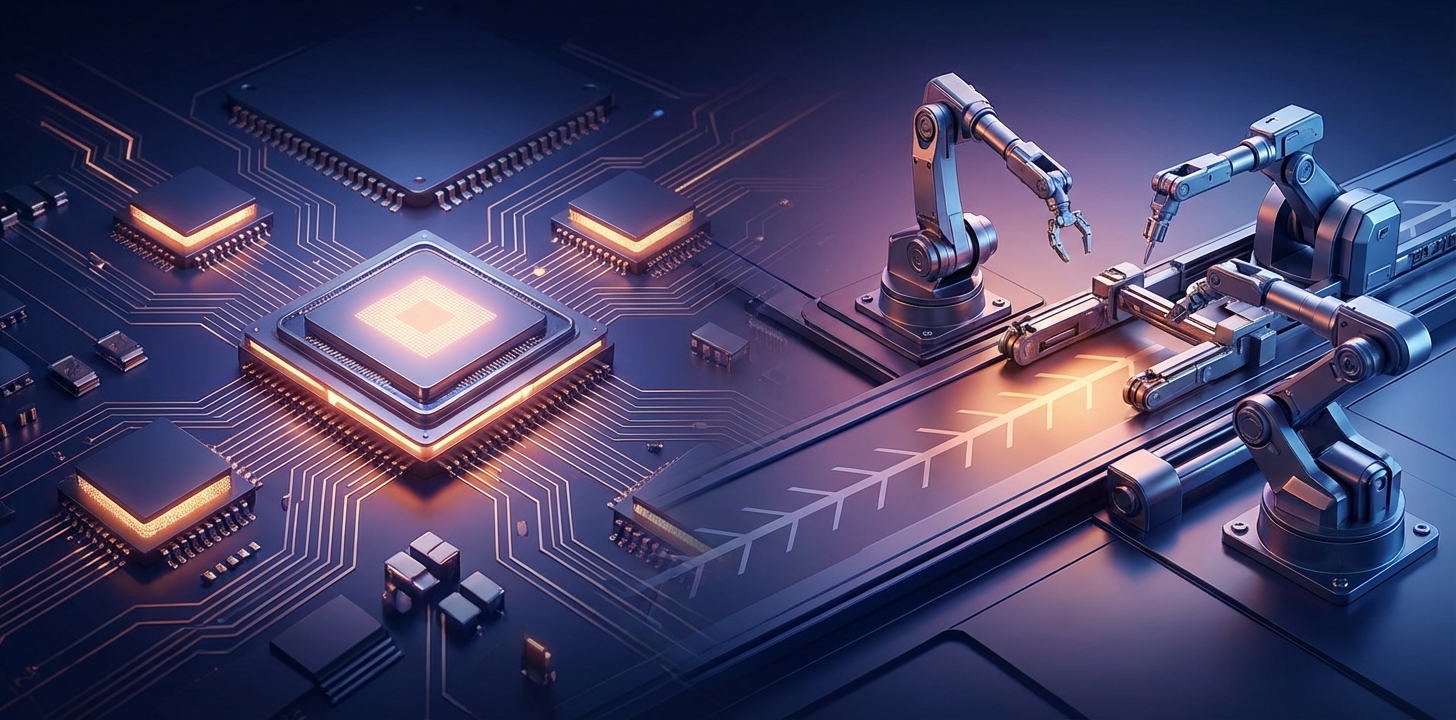
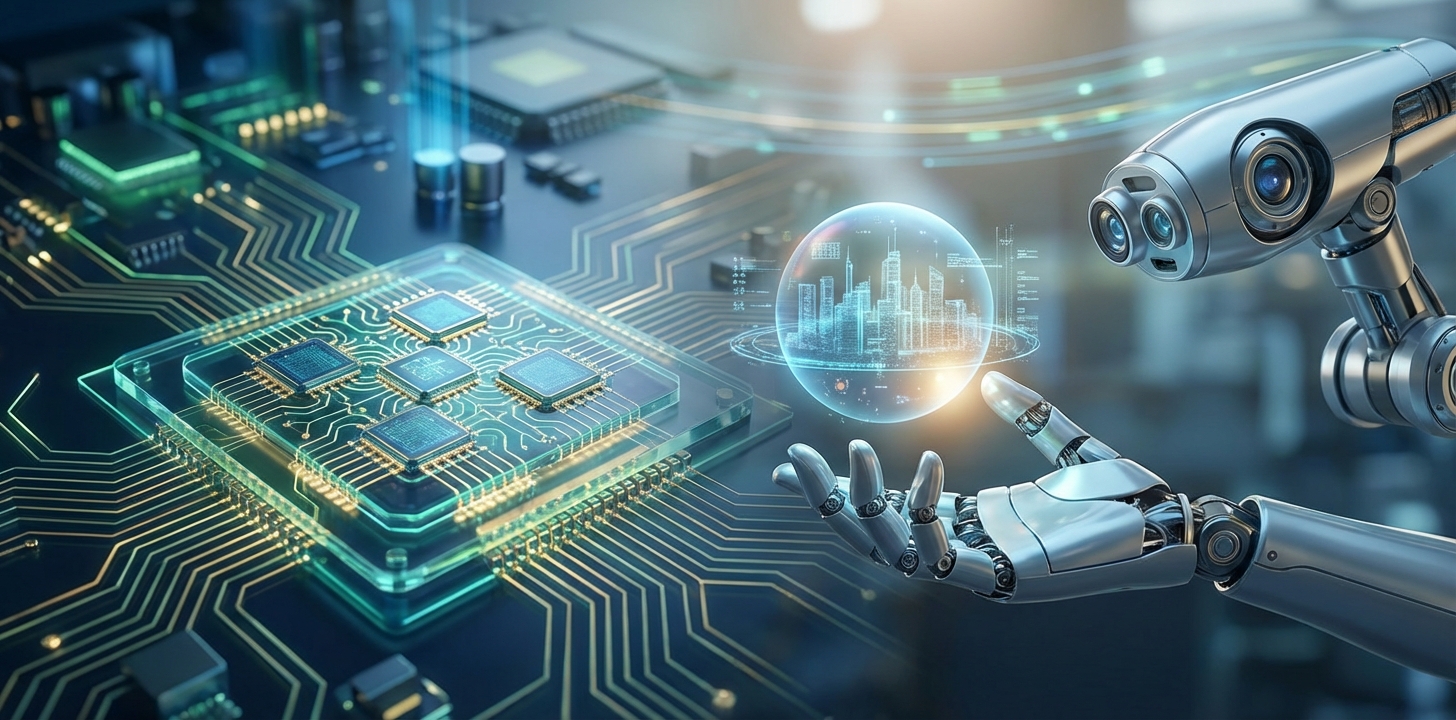
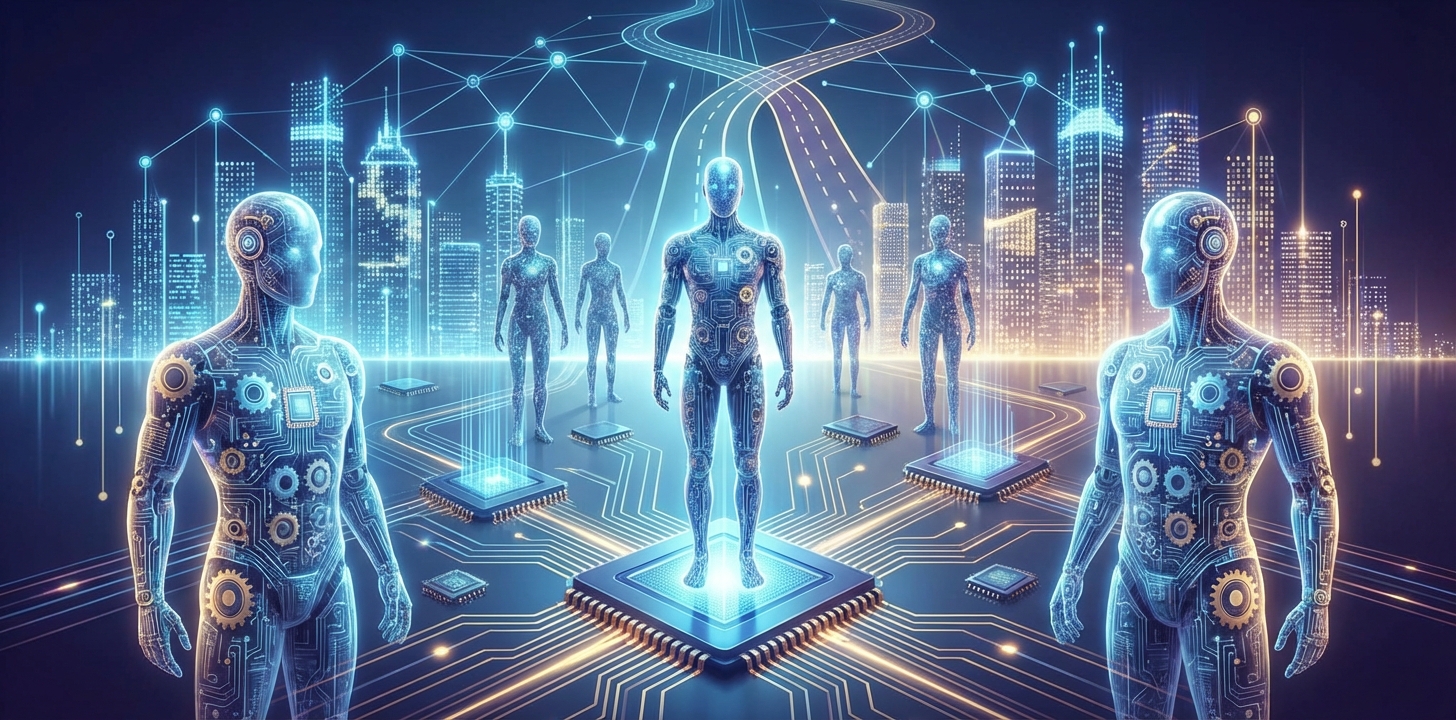
The headline of 2026 is the convergence of three massive technologies: Generative AI, Humanoid Robotics, and Quantum Computing. For years, these were separate tracks. Now, they’ve collided. We are seeing NVIDIA’s latest Blackwell-successor chips providing the "brain" for robots that can navigate messy, human environments with the grace of a dancer.
One of the most startling shifts is the move toward "Agentic AI." Unlike the LLMs of 2024 that just talked, 2026 agents can access your bank account (with permission!), book flights, negotiate contracts, and even write and deploy code to fix their own bugs [17]. They are digital employees, not just digital encyclopedias.
But here is the catch: this "intelligence" is incredibly expensive to produce. The cost of raw materials for chips and the staggering amount of electricity needed for data centers have led to a global scramble for resources [18]. We are seeing a "Hardware Crunch" where the physical world is struggling to keep up with the digital world's imagination.
| Feature | 2024 AI (The Pilot Era) | 2026 AI (The Agentic Era) |
|---|---|---|
| Primary Interface | Text/Chat Boxes | Voice, Vision, and Robots |
| Capability | Summarizing and Writing | Executing Tasks and Planning |
| Power Source | Traditional Grid | Nuclear & Renewables |
| Hardware | GPUs in Data Centers | On-device NPU & Edge Robotics |
| Human Role | Prompt Engineer | Strategic Director / Manager |
| As we look toward the 2026 Global AI Summit, the theme has shifted from "How do we build it?" to "The Business of Intelligent Transformation" [20]. It’s about the ROI of moving from pilot projects to enterprise-scale reality. | ||
| US Watch | ||
| In the United States, the focus has shifted entirely to "Sovereign AI Infrastructure." The U.S. is doubling down on domestic chip manufacturing to ensure that the "brains" of the future aren't subject to geopolitical whims. We are also seeing the first real "Robot Laws" being debated in Congress as humanoid workers start appearing in manufacturing plants from Michigan to South Carolina. | ||
| Silicon Valley is no longer just about software. The biggest "tech" companies are now effectively energy and robotics companies. Tesla’s Optimus and Figure’s humanoid models have moved from "tech demos" to "factory floor regulars." The U.S. is also leading the charge in Quantum-AI integration, aiming to use quantum bits to solve the "hallucination" problems that plagued early AI models. | ||
| China Watch | ||
| China is playing a different game: Scale and Speed. While the US focuses on high-end AGI, China has mastered the mass production of specialized AI hardware. By 2026, China has become the "World’s Factory for Robots," exporting low-cost humanoid workers to emerging markets. | ||
| Their "Whole-of-Nation" approach to AI governance is also creating a massive domestic ecosystem where AI is integrated into every part of the social fabric, from smart cities to automated healthcare. They are also making significant strides in "Green AI," trying to solve the energy crisis by integrating AI directly into their massive solar and wind grids. | ||
| Global Signal | ||
| The biggest global signal of 2026? The return of nuclear power. Because AI data centers require a constant, massive "baseload" of electricity, countries across Southeast Asia and Europe are revisiting nuclear energy plans [11]. The International Energy Agency (IEA) predicts that Southeast Asia alone will account for 25% of the growth in global energy demand by 2035, driven largely by the AI boom [13]. |
"Southeast Asia is racing to build the infrastructure powering the AI boom, but its hot, humid climate could be making that expansion more difficult." — Industry Analysis [12]
Think of it like this: AI is a high-performance sports car, but our current power grids are like dirt roads. To let the car go full speed, we have to pave the roads with high-density energy. This is leading to a fascinating "Energy-Tech" alliance where Microsoft, Google, and Amazon are effectively becoming utility companies.
Malaysia Watch
Malaysia is not just a bystander in this revolution; it’s positioning itself as the "AI Hub of Southeast Asia." The government is set to table the National AI Action Plan 2026–2030, a bold roadmap focusing on responsible innovation and digital governance [3]. 🇲🇾
Key highlights from the Budget 2026 (Belanjawan MADANI) include:
- RM50 Billion for SMEs: A massive fund to help small and medium enterprises adopt AI, e-invoicing, and digital transformation [6].
- National AI Office (NAIO): RM18 million has been allocated to this office to oversee the country's AI strategy and regulatory framework [9].
- Digital Acceleration: RM53 million for the Malaysia Digital Acceleration Grant (MDAG) to spur local tech heroes [9].
The upcoming Digital Transformation Summit 2026 in Malaysia will bring together over 200 C-level executives to discuss how to integrate Quantum Computing and IoT into the local economy [1]. Malaysia's Digital Minister has emphasized that the goal is to transform "data into a national asset," using AI to manage and leverage information for better public services [10].
Did you know? 💡
Malaysia's "hot and humid" climate is actually a major engineering challenge for AI data centers. Cooling these massive "AI brains" requires innovative liquid-cooling technology, making Malaysia a potential world leader in tropical data center engineering!
What to Do Next - Audit Your Routine: Identify three tasks you do daily that involve "moving data" (like copying info from an email to a spreadsheet). By the end of 2026, an AI agent should be doing these for you. Start looking for "agentic" tools now.
- Upskill in "Strategy, Not Syntax": Don't worry about learning to code Python perfectly; worry about learning how to direct an AI to build a solution. The most valuable skill in 2026 is "Systemic Thinking."
- Invest in Energy Literacy: Whether you're an investor or a homeowner, understand that energy is the new gold. Look into companies bridging the gap between AI hardware and sustainable power.
- For Malaysian Business Owners: Get ready to tap into the RM50 billion SME fund. Start documenting your "Digital Transformation"
Found this article helpful? Share it with others!
Quick AI FAQ
How does this AI development affect Malaysian businesses?
Local businesses can leverage these AI breakthroughs to automate repetitive tasks, improve customer engagement via smart chatbots, and scale content production with 80% lower costs.
Is it safe to integrate AI into existing workflows?
Yes, when implemented with professional oversight. We focus on secure, privacy-compliant AI integrations that align with Malaysia's PDPA regulations.
Where can I get help with AI implementation in Penang?
JOeve Smart Solutions provides on-site and remote AI consultation for SMEs in Penang and across Malaysia, specializing in web apps, chatbots, and video automation.